Bhotekoshi–Trishuli Disaster: Thousands Still Missing
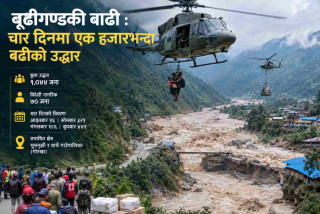
KATHMANDU: Three weeks after the devastating August 26 disaster in Nepal’s Rasuwa district, search and recovery operations are continuing, with 1,399 people confirmed dead and around 5,200 still unaccounted for, including 636 foreign nationals.
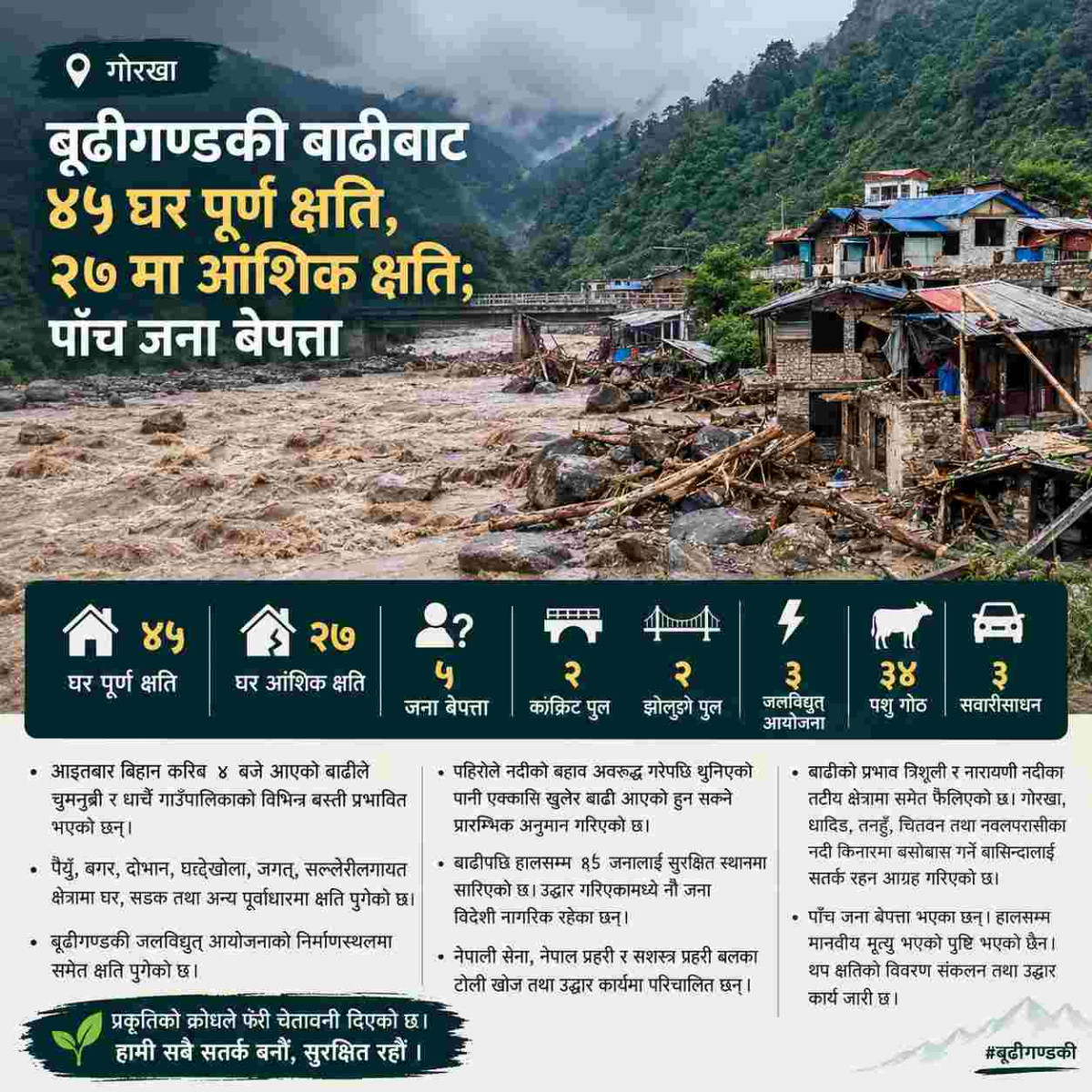
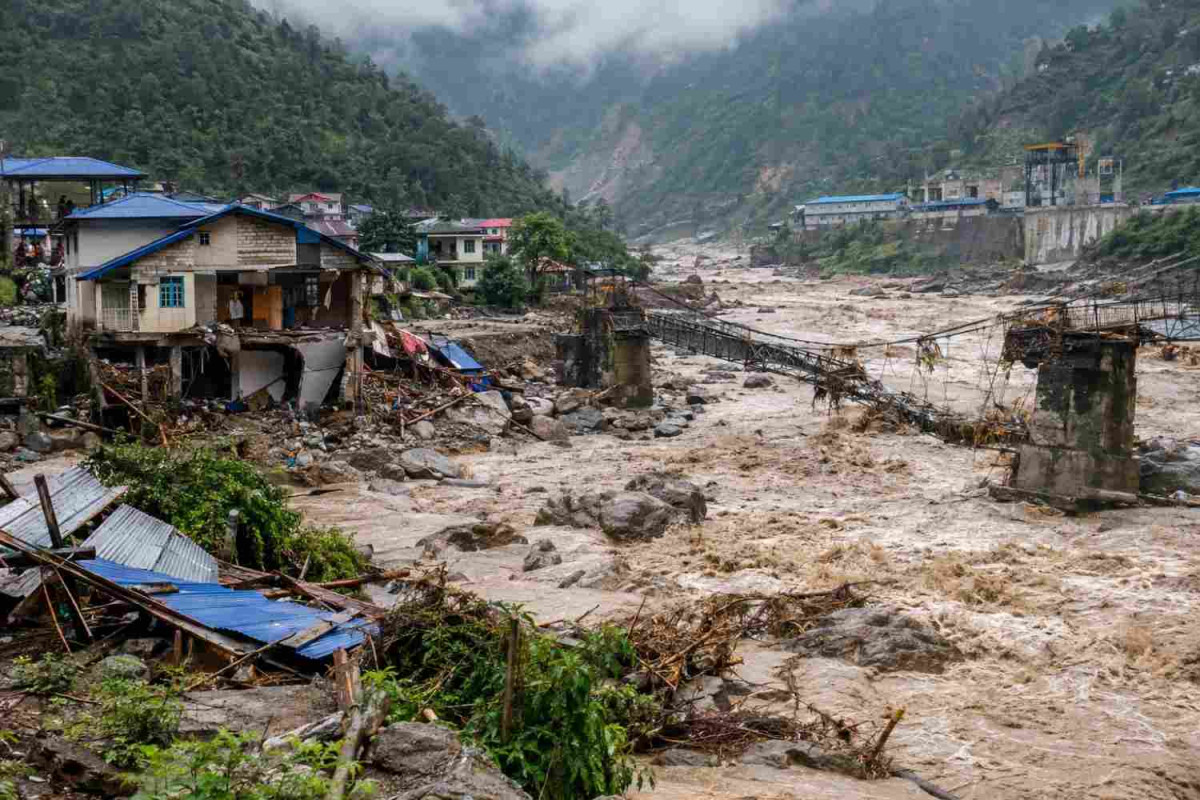
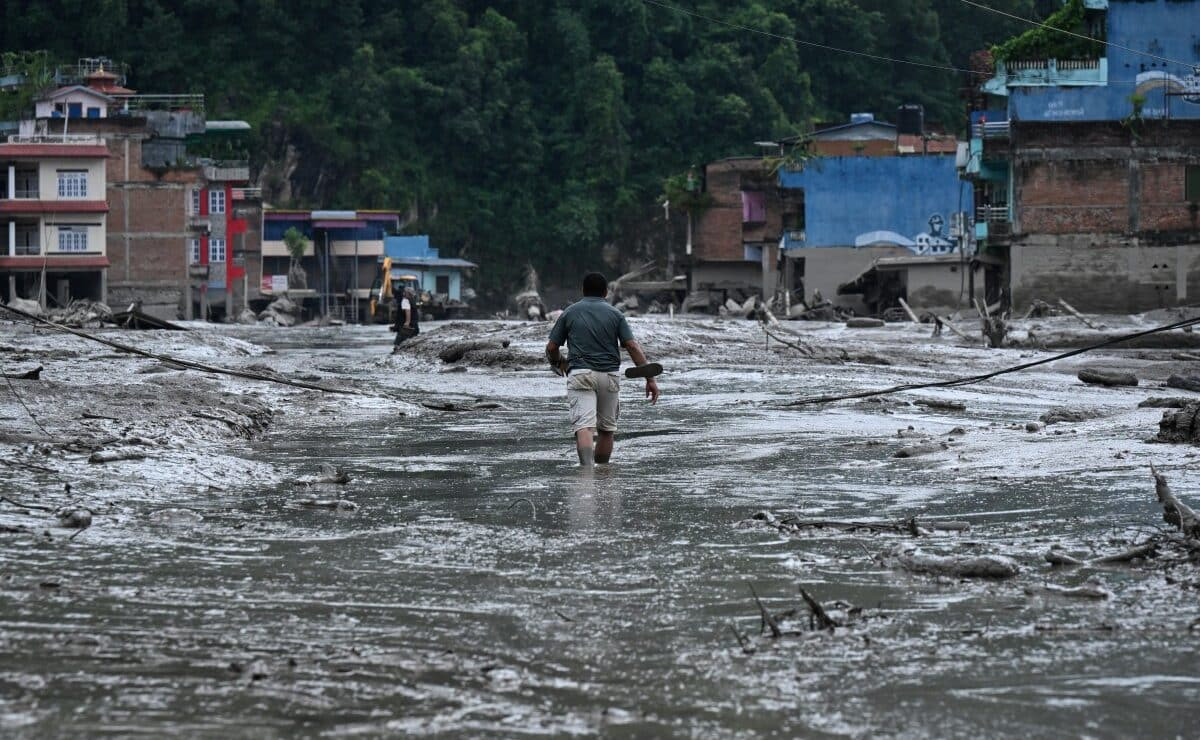
The disaster began when a massive rock-and-ice avalanche from the Langtang Lirung area transformed into a debris flood and then a powerful flash flood, sending water, ice, rocks and sediment downstream through the Bhotekoshi and Trishuli river systems. The event caused extensive destruction to settlements, roads, bridges and hydropower infrastructure.
According to the latest figures, 1,399 bodies have been recovered. Authorities have collected DNA samples from unidentified remains and relatives of missing people, but only 105 bodies had been formally identified and returned to their families by September 16, according to Reuters.
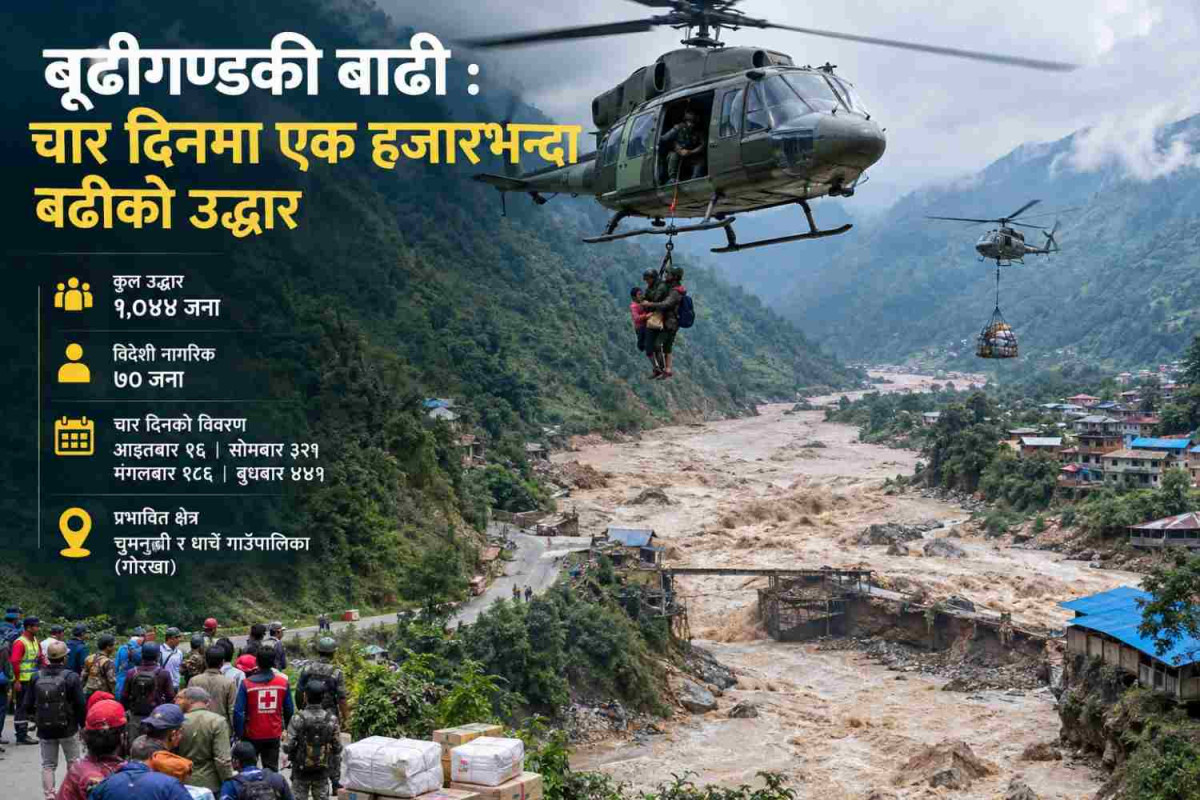
Search and recovery operations involving the Nepal Police, Armed Police Force and Nepali Army are continuing along the affected river corridors and around damaged hydropower facilities. More than 13,700 people have been rescued, while thousands of affected residents have received assistance.
A new assessment by World Weather Attribution found that long-term warming likely contributed to conditions that weakened ice and rock structures in the Himalayas. Researchers linked unusually warm conditions, glacier melt and changes in frozen ground to increased instability. However, they emphasized that the underlying geological structure was also fundamental to the slope failure, meaning climate change should be understood as a destabilising factor rather than the sole cause.
Three weeks on, thousands of families are still waiting for information about missing relatives, while authorities continue the difficult work of search, identification, recovery and reconstruction.